Evidence, memory and historical fiction
By John Lawless
A surviving account is a source to examine, rather than an automatic answer.
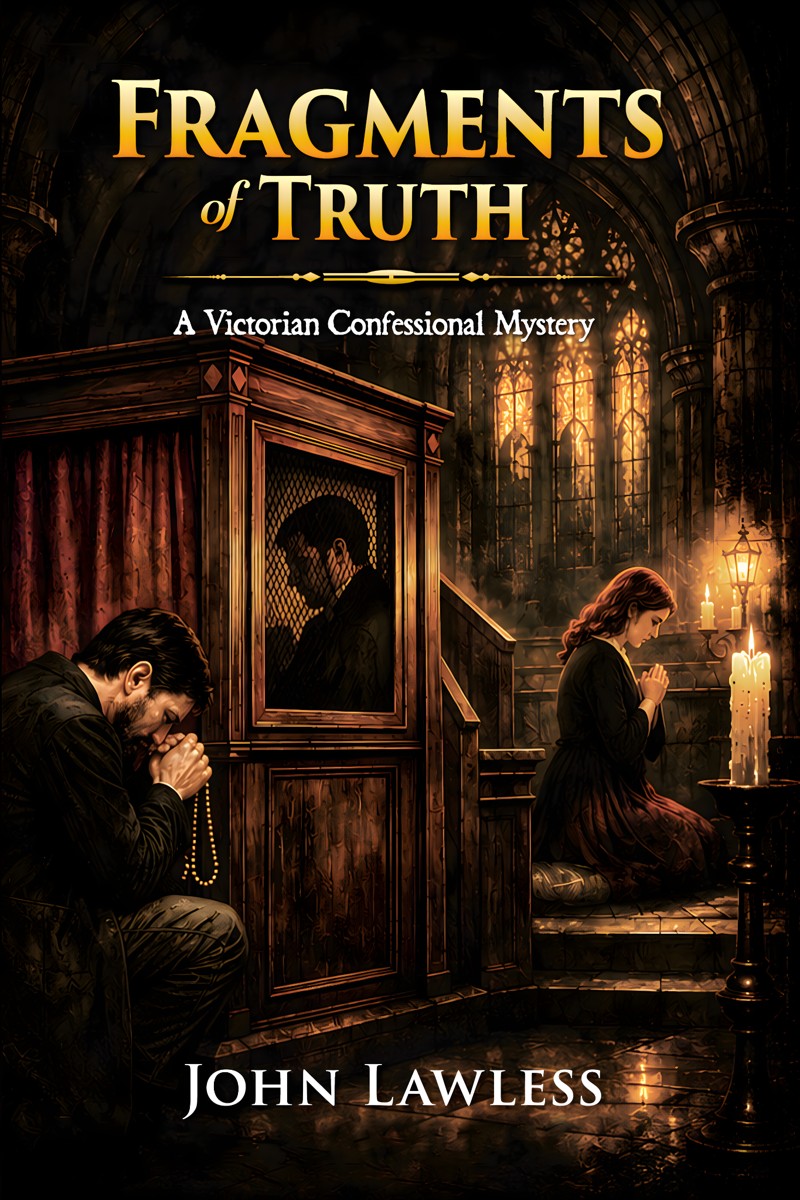
Historical research frequently begins with an apparent certainty and ends with a more interesting question. An account seems clear until another witness remembers the event differently. A newspaper supplies a confident explanation that a later record complicates.
For a novelist, those differences are valuable. They reveal how people interpreted an event as well as what they claimed to have seen. Fear, loyalty, expectation and the pressure of public opinion may all affect what is said and how it is received.
The researcher must keep the distinction between evidence and interpretation visible. Two accounts agreeing does not by itself explain whether they are independent. A detail repeated often is not necessarily a detail proved.
Fiction can turn those tensions into drama. A character has to decide whether to speak, whom to trust or what to believe. The reader experiences uncertainty through those decisions, rather than through an abstract discussion of the sources.
There is a responsibility here, particularly where real people are concerned. The fact that a convincing scene can be imagined does not make it historically established. An author’s note can help readers understand the boundary between the documented event and its fictional treatment.
The strongest historical stories allow the record and the imagination to do their separate work. Research gives the story its foundations. Character gives the reader a reason to follow it.