Much of my writing begins with a question about Bradford’s past. Recently, another question has been occupying me: how might these stories work on screen? I have been developing a screenplay adaptation of Fragments of Truth. It is a different kind of writing, even when the characters, setting and central story are already familiar. A scene that works well in a novel may need considerable thought before it earns its place in a screenplay. The ambition is to bring Victorian Bradford to life in...
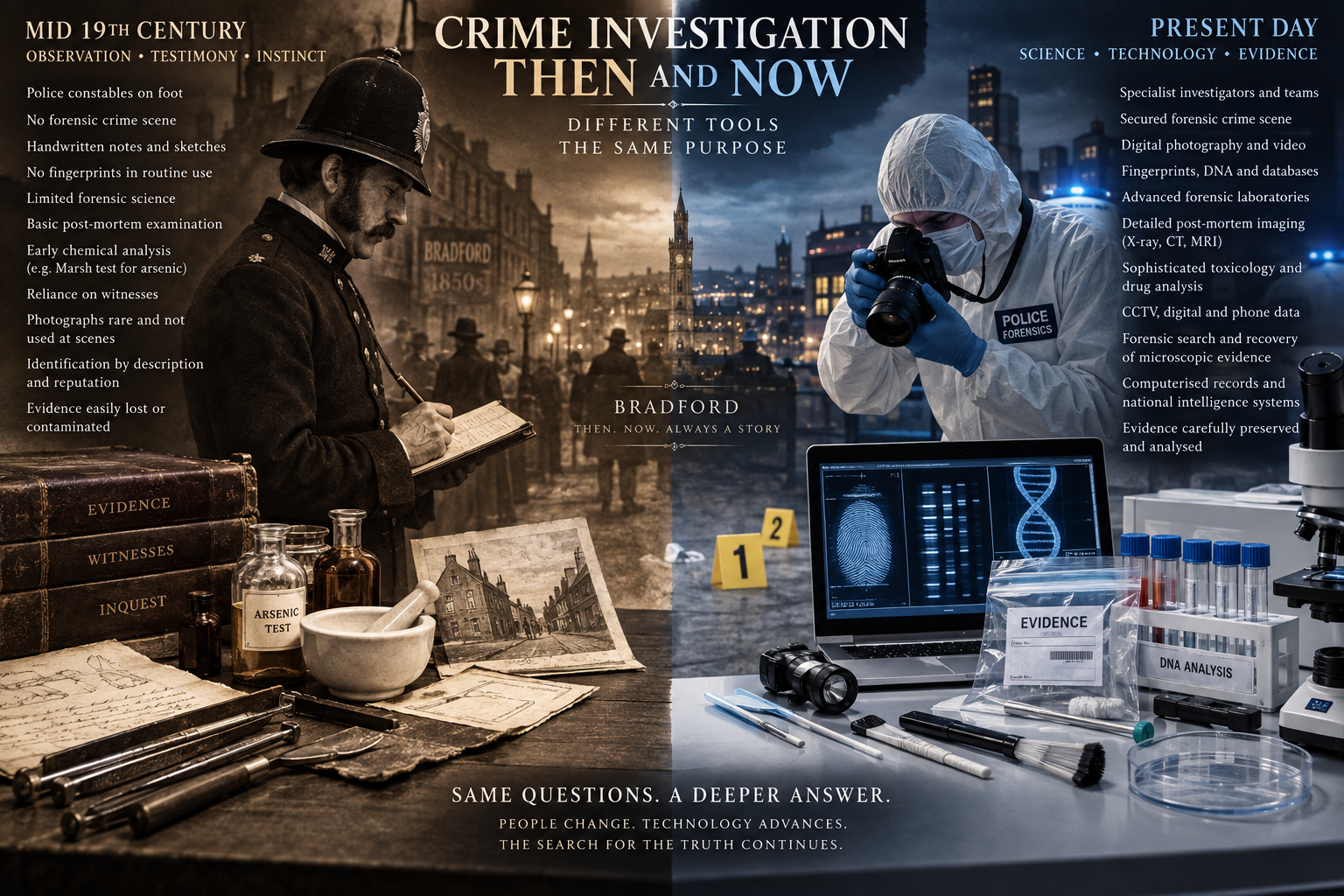
Modern crime investigation has become so closely associated with laboratories, fingerprints, DNA profiles and digital databases that it is easy to forget how recently much of this technology arrived. A detective attending a suspicious death today enters a world governed by scene preservation, forensic protocols, specialist examination and scientific testing. The same officer transported back to Bradford in the middle of the nineteenth century would find something very different. There would...
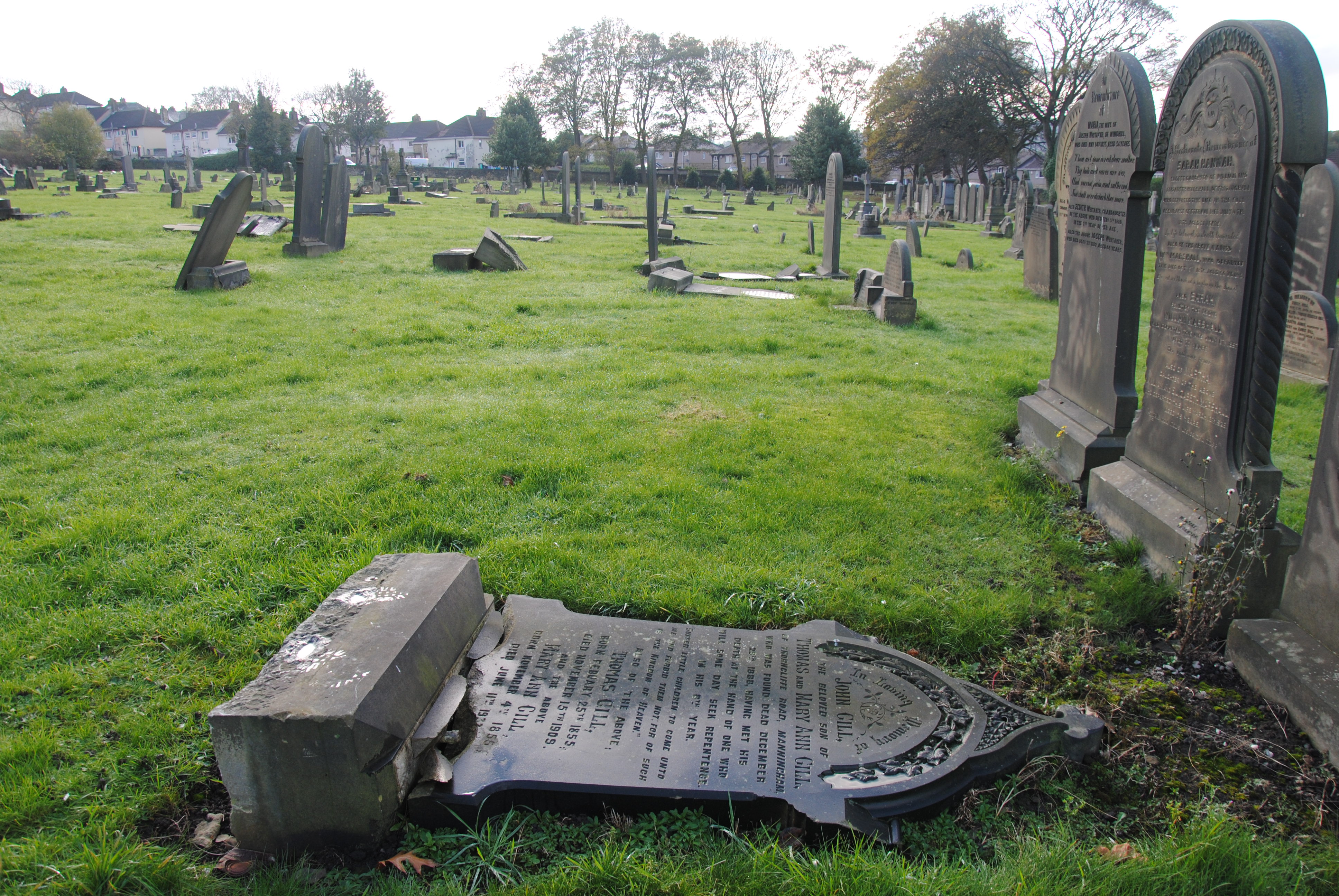
For some time now, I have been trying to achieve something that ought to be relatively straightforward: to secure the professional conservation of the memorial of seven-year-old John Gill at Windhill Cemetery. John was murdered in Manningham in December 1888. I first became closely involved with his story while researching Stolen Innocents, and since then I have felt increasingly strongly that the surviving memorial to him should not simply be allowed to deteriorate because modern...
It has been around six weeks since I last sat down to write a blog, although “sat down” may give a rather misleading impression of what has been happening in the meantime. The truth is that I have been busy. Very busy. One of the peculiarities of writing historical fiction is that finishing one piece of work rarely feels like finishing anything at all. Instead, one closed door seems to reveal three more behind it. A name in a newspaper leads to an inquest. An inquest leads to a street. The...
In 1888, seven-year-old John Gill was murdered in Manningham. His death shocked Victorian Bradford and became one of the city’s most haunting criminal cases. More than a century later, his grave still stands in Windhill Cemetery, Shipley, but the memorial that bears his name has been allowed to deteriorate. I am asking for public support to help save it. John Gill was not a public figure. He was not wealthy, powerful, or famous. He was a child. His grave is one of the few remaining physical...
If you are looking for something different this weekend, why not step back into Victorian Bradford and discover one of the city's most fascinating historic landmarks? From 10:30am tomorrow, the team at Undercliffe Cemetery will be leading a guided walk through this remarkable Grade II* listed cemetery, bringing to life some of the extraordinary people and events that helped shape Bradford's history. The tour explores the stories of individuals from every walk of life, from wealthy...
When we look back at the crimes of Victorian Bradford, it is tempting to begin with the moment of horror. The poisoned sweet. The body discovered. The accused man standing before the court. But perhaps the more interesting question is not simply who committed the crime? Perhaps the deeper question is: What created the world in which such crimes could happen? Before Bradford became a city of mills, smoke, wealth and tragedy, it was a very different place. For centuries it remained a modest...
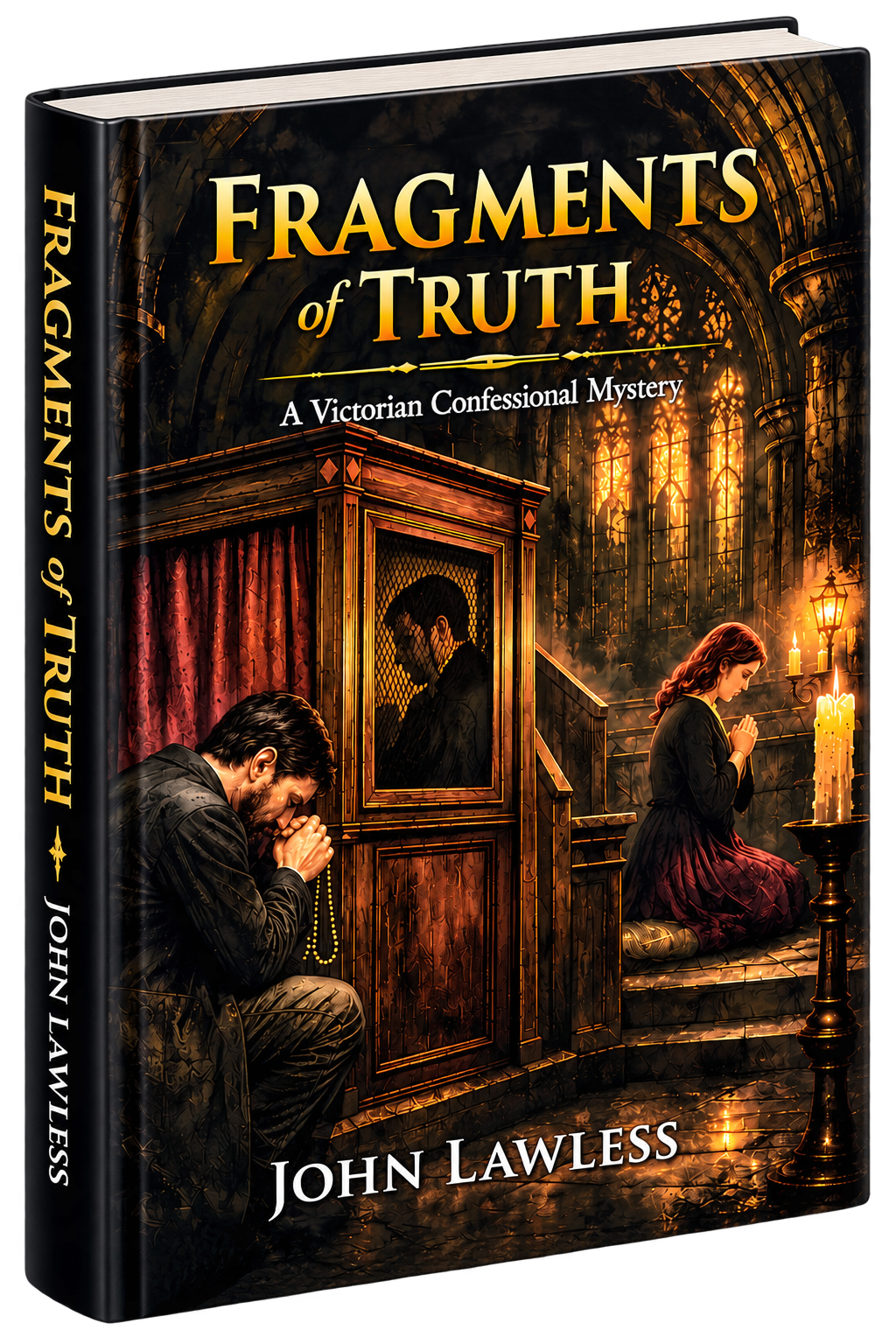
There is a particular moment in the life of every book when it changes. For months , sometimes years, it exists as something uncertain. A collection of notes, fragments of research, half-formed conversations, old newspaper reports, forgotten names, and scenes that play repeatedly in the imagination of the writer. Then one day a parcel arrives. Inside is no longer a manuscript. It is a book. This week I received the first printed proof copy of Fragments of Truth, the latest Victorian crime...
When I first began researching the events surrounding The Bradford poisonings of 1858, the story felt intensely local. It belonged to the narrow streets, the crowded marketplaces, the mills and the people of Victorian Bradford. It was a tragedy carried through newspaper columns, whispered conversations, inquest rooms and court proceedings. A moment when an ordinary Saturday evening changed the lives of hundreds of families. More than 160 years later, those voices are travelling further than...
There is a strange moment that happens when researching Victorian Bradford long enough. The modern city begins to disappear. Street names survive, but the streets themselves have changed. Entire courts and terraces have vanished beneath ring roads, concrete blocks and redevelopment. Markets moved. Public houses disappeared. Graveyards became overgrown. Industry faded. Yet beneath the modern city, the Victorian one still exists in fragments. Old police reports. Coroner’s depositions. Burial...
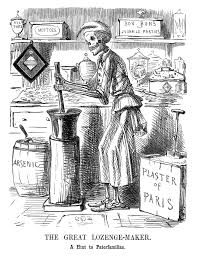
In the spring of 2026, beneath decades of overgrowth and silence, a forgotten grave in Undercliffe Cemetery was brought back into the light. For more than 150 years, the burial place of William Hardaker, better known to history as “Humbug Billy” had lain unmarked and largely forgotten. Yet Hardaker’s name remains permanently tied to one of the darkest tragedies in Victorian Bradford: the 1858 arsenic poisoning disaster that killed 21 people and left more than 200 violently ill after...
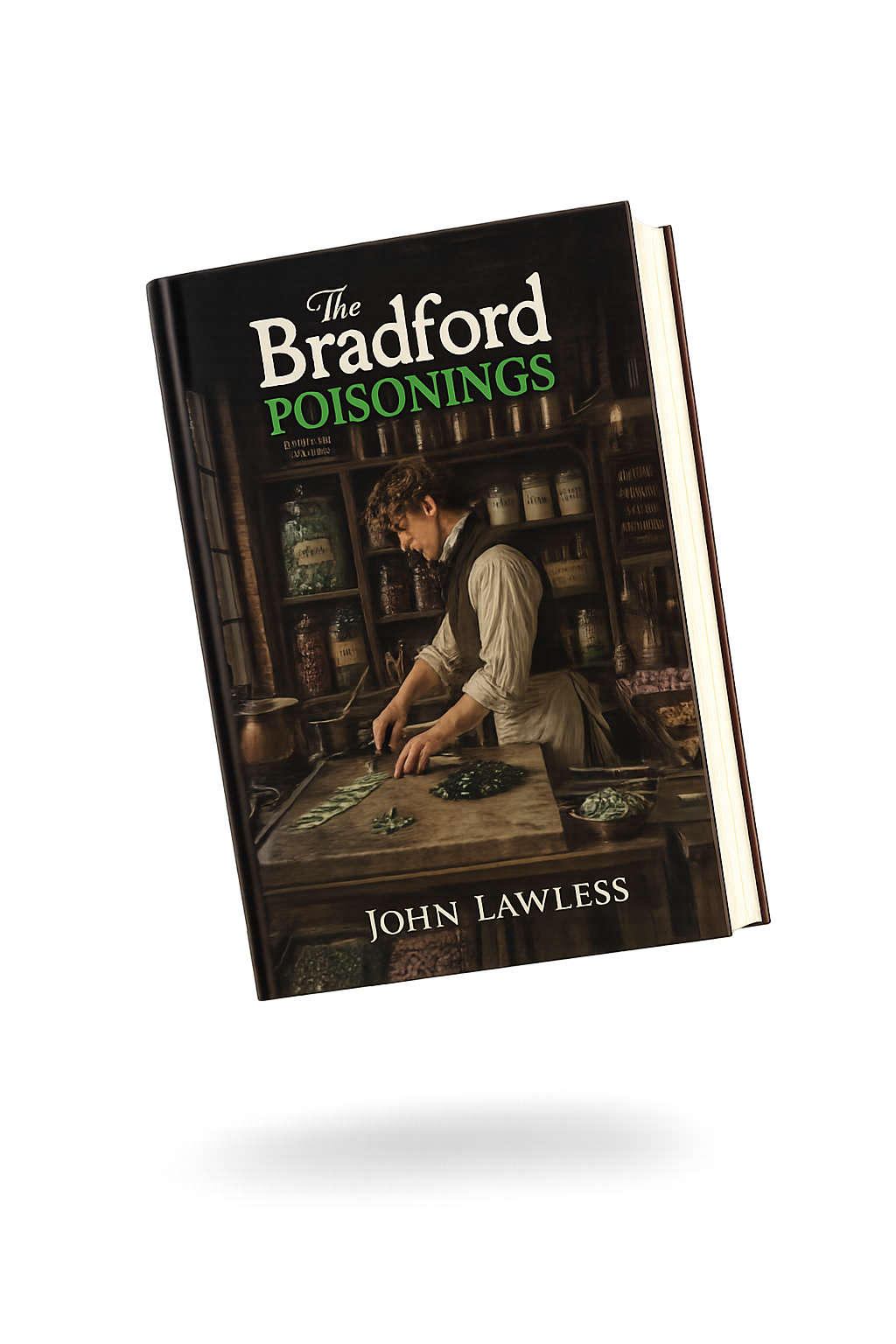
An Update on John Gill’s Grave, and the Publication of The Bradford Poisonings I want to manage dignity in death, and preserve memories, but what I see is a policy to manage decay: Over recent months, many people have followed the discussions surrounding the grave of John Gill and the wider questions this has raised about remembrance, responsibility, and what becomes of memorials when no direct descendants can be identified. I felt it was important to provide a further update; the situation...
John Gill Died Twice. Once in 1888 and Again in 2026, When His Memory Was Left to Fade There is a particular kind of loss that does not happen all at once. It does not arrive with ceremony or record. There is no certificate, no formal acknowledgement. It occurs slowly through weather, through time, and, occasionally, through the quiet absence of permission. My intention began simply. A fallen cracked monument. A name still legible. A life that could, with care, be preserved in stone for those...
Why the John Gill Story Still Matters Today There are moments in the life of a project when it moves beyond private work and enters the public domain. The recent coverage in the Telegraph & Argus marked such a moment. For a story rooted in Victorian Bradford, this transition carries particular significance. It represents not merely exposure, but recognition, an acknowledgment that the past, when properly examined, retains relevance in the present. A Story That Refuses to Settle The case at...
From Fragmented Records to Narrative Truth: Reconstructing the John Gill Case The origins of this research, and how it developed into Stolen Innocents, are outlined in more detail here: Reconstructing a Crime: The Development of the John Gill Story There is a marked difference between discovering a story and constructing one. The case of John Gill did not arrive fully formed. It emerged in fragments, scattered across inquest reports, newspaper columns, burial records, and occasional...
The Story Behind Stolen Innocents and the Path to Publication There are moments in a writer’s life when a subject does not merely present itself, it insists. For me, that moment did not begin in an archive or a library, but in a conversation. I was approached by a friend who was tracing her family history in Bradford and had encountered a name that required closer examination: her great-great-grandfather, William Barrett. What began as a straightforward attempt to assist with genealogical...